How to Care for Custom Suit Jackets: Cleaning, Pressing, Storage and Rotation for Staff
Care for custom suit jackets by rotating them between working days, brushing and steaming instead of dry cleaning after every wear, and hanging each one on a shaped hanger with empty pockets. Custom Suit Jackets builds jackets for daily staff wear, and a simple care routine keeps every jacket in your team order matching for longer.
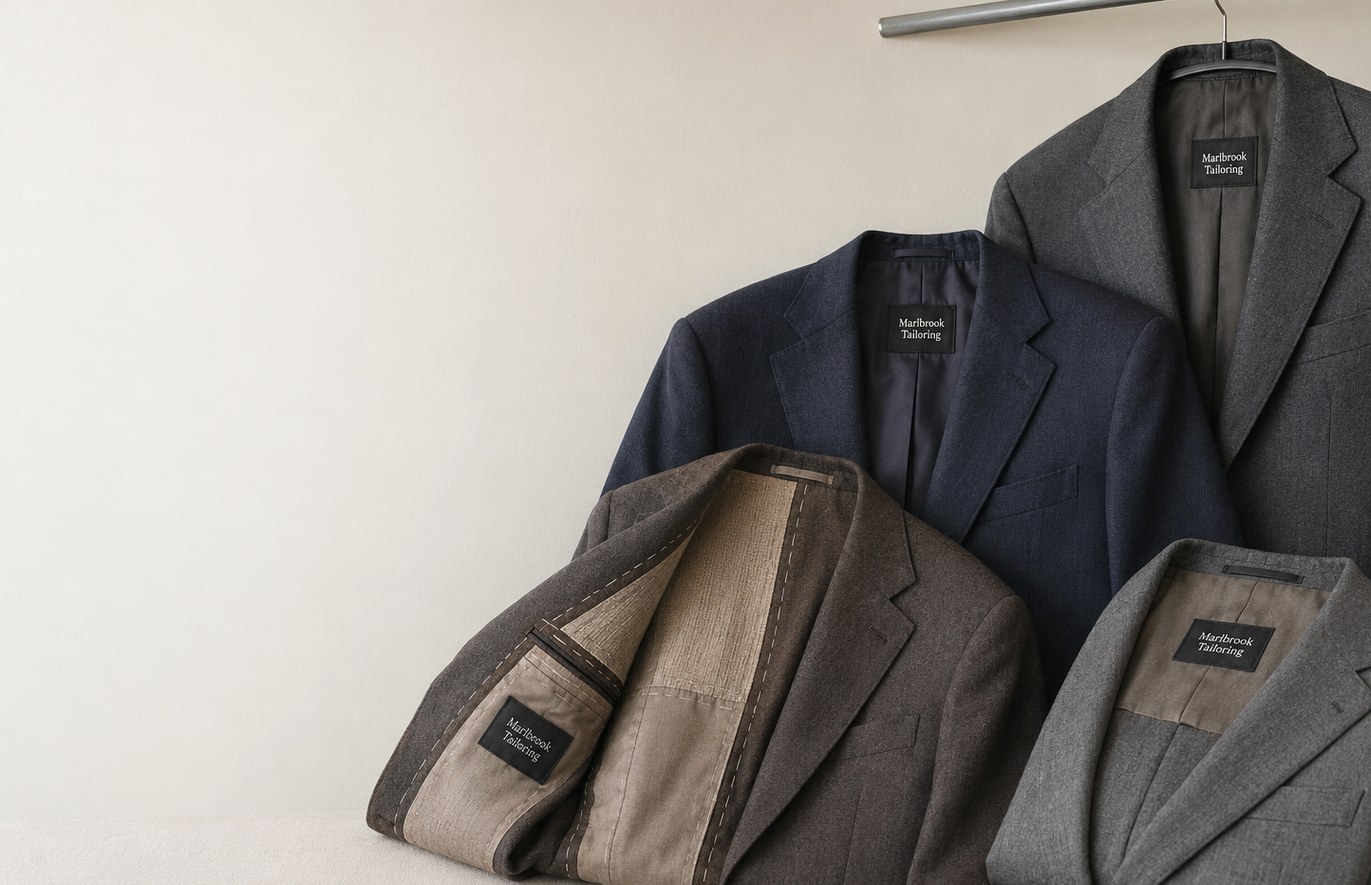
- Rotate jackets so each one rests between working days
- Brush and steam to refresh; dry clean only when soiled
- Hang on wide, shaped hangers with pockets emptied
- Half-canvas construction tolerates heavy wear and cleaning best
- Replacements follow your approved specification, minimum 12 per order
How do you keep custom suit jackets looking sharp when staff wear them every day?
Custom suit jackets stay sharp in daily staff wear when you combine three habits: rotate jackets so each one rests between shifts, brush and steam instead of dry cleaning after every wear, and hang each jacket on a shaped hanger the moment it comes off. Dry cleaning is for real stains and the end of a season, not routine refreshing.
A uniform jacket lives a harder life than a personal suit. It is worn for long shifts, leaned against counters, sat in during commutes and hung in break rooms. The jacket that looks tired after a few months is usually the one that was worn back to back, cleaned too often and left on a hook overnight.
Treat care as part of the uniform program, not a personal chore. When the team gets the same short instructions on day one, every jacket in the run ages at the same pace, and the front desk, sales floor or club room keeps looking like one matched team.
- Rotate: issue more than one jacket to anyone who wears it every working day.
- Refresh: brush, air and steam between wears.
- Clean sparingly: spot clean first, dry clean only when needed.
- Hang properly: shaped shoulders, buttons undone, pockets empty.
How often should custom suit jackets be dry cleaned?
Custom suit jackets should be dry cleaned only when they are visibly soiled, carry a stain that spot cleaning cannot lift, or have absorbed odors that airing does not clear. Routine dry cleaning after every few wears strips natural oils from wool, flattens the nap of the cloth and, on fused jackets, stresses the glued interlining that holds the chest shape.
For most teams, the healthier routine is a brushing after each wear, a steam when creases appear and a professional clean at natural break points, such as the end of a busy season or before jackets go into storage. Ask your cleaner to press lightly and to avoid crushing the lapel roll flat.
Decoration needs a word too. Embroidered logos handle professional cleaning well, but ask the cleaner to press around the embroidery or through a cloth so the stitches keep their raised texture. Engraved buttons should be covered or removed for harsh pressing. Branded linings, covered on the branded linings and engraved buttons page, clean with the jacket and need no special treatment beyond a gentle press.
Which jacket construction holds up best to heavy wear and cleaning?
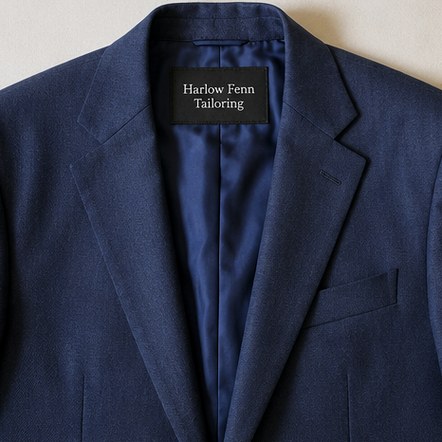
Half-canvas construction holds up best for jackets that face daily wear and periodic professional cleaning, because the floating canvas in the chest keeps its shape without depending on glue alone. Fused jackets are lighter on the budget and perfectly serviceable for lighter use, but they are less forgiving of frequent dry cleaning and heavy steam.
Unstructured and soft-shoulder jackets sit in their own category. With little or no padding and lighter internals, they shrug off creasing in warm rooms and pack well for travel, yet they show wrinkles sooner and benefit from more frequent steaming. Choose by how the jacket will actually be worn, not by how it looks on a hanger.
| Construction | Best suited to | Care priority |
|---|---|---|
| Fused | Events, occasional wear, lighter-use roles | Clean sparingly, steam gently, avoid hot presses |
| Half-canvas | Daily front-of-house, sales floors, leadership | Brush, rest between wears, press the lapel lightly |
| Unstructured | Warm venues, travel, relaxed hospitality | Frequent steaming, careful hanging |
See the half-canvas tailored jackets and unstructured and soft-shoulder jackets pages for the build details behind each option.
How should staff store and hang suit jackets between shifts?
Suit jackets should be hung between shifts on a wide, shaped wooden or padded hanger that fills the shoulder, with buttons undone and pockets emptied. A thin wire hanger or a coat hook pushes the shoulder out of shape within weeks, and heavy pockets drag the front panels so the jacket no longer closes cleanly.
Where staff change on site, the break room setup matters as much as personal habits. A rail with proper hangers and space between jackets lets each one air out instead of trapping moisture from a long shift. Avoid plastic dry-cleaning bags for anything beyond the trip home, because they hold humidity against the cloth. A breathable cotton or canvas garment bag is the better choice.
- Empty every pocket: phones, keys, pens, name badges.
- Undo the buttons so the front relaxes.
- Hang on a shaped hanger with the collar sitting flat.
- Leave space on the rail so the cloth can breathe.
- Give the jacket a quick brush before the next wear.
For club and school blazers that are worn only for events, a breathable bag in a dry, dark closet protects the cloth and keeps the crest and buttons looking new between occasions.
What is the right way to remove creases and refresh a jacket at home or on site?
The right way to refresh a suit jacket is to brush it with a soft clothes brush, let it air overnight on a shaped hanger and steam out any creases from a short distance. Steaming relaxes wool fibers without the flattening effect of an iron. Most creases from a single shift drop out on their own with rest and air.
A handheld steamer is a sensible investment for any team kit room. Keep the head moving, steam from the inside where possible and let the jacket dry fully before anyone puts it on. Never iron directly on the face of the cloth, the lapels or the embroidery, because direct heat leaves a shine that cannot be reversed.
Brushing is the most underrated step. A firm, downward brush lifts dust, lint and hair from the weave before it works deeper into the cloth, and it restores the nap that gives a good jacket its finish. Brush shoulders and collar first, where dust settles, then the sleeves and front panels.
How do you handle stains, spills and small repairs on uniform jackets?
Handle stains on uniform jackets by blotting immediately with a clean dry cloth, never rubbing, and then dabbing with cold water if the spill is water based. Oily or greasy stains, ink and wine should go to a professional cleaner quickly, with a note on what caused the stain. Scrubbing at home tends to spread the mark and roughen the cloth.
Hospitality, events and dealership teams see the most spills, so a simple kit at the front desk or back office pays for itself: a lint roller, a clothes brush, clean white cloths and a spare jacket. Swapping into the spare keeps the guest-facing team presentable while the stained jacket is cleaned properly.
Small repairs should be fixed early. A loose button, a lining seam starting to open or a fraying cuff edge becomes a bigger job if ignored. Keep a few spare buttons on file, especially if your jackets carry custom engraved buttons, so a lost button can be replaced to match rather than with a stock substitute.
How can you tell when a team jacket should be retired or replaced?
A team jacket should be retired when the cloth has developed shine at the seat, elbows or lapel edges, when the chest has lost its shape or bubbled, when the lining has torn in several places, or when the wearer’s size has changed enough that the jacket no longer closes cleanly. A jacket that undermines the team look costs more in impression than it saves.
Replacing one jacket at a time is straightforward when the original specification is on file. Custom Suit Jackets keeps your approved cloth, construction, logo placement, lining and button details, so a replacement or reorder follows the same mockup and approval process. Orders start at 12 jackets, so many teams batch replacements with new-hire jackets into a single reorder; the made-to-measure and reorders page explains how that works.
Planning a replacement cycle also helps budgeting. Rather than waiting for every jacket to wear out at once, review the team’s jackets at the end of each busy season, note which need replacing and fold them into the next order. The free mockup arrives within 24 hours and production runs about 2 weeks after approval.
What care instructions should you hand out with a new jacket order?
Hand out a one-page care card with every new jacket order covering rotation, hanging, brushing, steaming, stain response and when to request professional cleaning. Clear instructions on day one prevent the most common damage, and they make it easy to hold every wearer to the same standard across offices, shifts and locations.
Keep the card practical and specific to your jackets. Name the construction your team ordered, note whether the jacket has a branded lining or engraved buttons, and say who to contact for cleaning, repairs or a replacement size. For corporate and hospitality jackets worn by several departments, add a line on where jackets should be hung on site.
- Wear, then rest: rotate jackets between working days.
- Hang on the issued shaped hanger with pockets empty.
- Brush after wearing; steam to remove creases.
- Blot spills; report stains to the uniform contact.
- Do not iron the face of the cloth or the logo.
- Report loose buttons and open seams early.
When you request a quote through the custom quote form, mention how often the jackets will be worn and cleaned, and Custom Suit Jackets will suggest a cloth and construction that fits that routine.
Frequently asked questions
Can custom suit jackets be machine washed?
Custom suit jackets in wool or wool-blend cloth should not be machine washed. Washing machines shrink wool, distort the chest shaping and can damage embroidery and linings. Spot clean small marks, steam out creases and send the jacket to a professional dry cleaner when it is genuinely soiled. Custom Suit Jackets can advise on cloth choices when easy care is a priority for your team.
Does embroidery on suit jackets survive dry cleaning?
Embroidered logos on suit jackets generally survive professional dry cleaning well, provided the cleaner presses around the stitching or through a pressing cloth. Direct heat and heavy pressure flatten the raised texture of embroidery and can leave shine on surrounding cloth. Attach a note asking for a gentle press near the logo, especially on darker cloths where shine shows quickly.
How should staff pack suit jackets for business travel?
Suit jackets travel best folded inside out at the shoulders, with one shoulder tucked into the other, then laid flat on top of other clothing in a suitcase. A garment bag works well for carry-on travel. On arrival, hang the jacket in a steamy bathroom or use a travel steamer. Unstructured jackets from Custom Suit Jackets pack especially well.
Why do suit jacket shoulders lose their shape over time?
Suit jacket shoulders usually lose their shape because the jacket is hung on thin wire hangers, coat hooks or chair backs. Without support across the full shoulder, the cloth and padding gradually sag and form dimples. A wide, shaped hanger matched to the jacket size prevents this. Issuing proper hangers with a team order is a small step that protects every jacket.
Can a lint roller damage a wool suit jacket?
A lint roller is safe for occasional use on wool suit jackets, but daily use can pull fibers and leave a slightly fuzzy surface over time. A soft clothes brush is the better everyday tool because it lifts lint and dust while restoring the nap of the cloth. Keep a lint roller in the front desk kit for quick touch-ups.
How long should a suit jacket rest between wears?
A suit jacket benefits from at least a full day of rest on a shaped hanger between wears. Resting lets wool fibers relax, creases drop out and moisture from the previous shift evaporate. Staff who wear jackets every working day should ideally rotate between jackets, which is why many teams order more than one per daily wearer from Custom Suit Jackets.
Should custom suit jackets with engraved buttons be cleaned differently?
Custom suit jackets with engraved buttons need no special cleaning routine, but the buttons should be protected during heavy pressing. Ask the dry cleaner to cover them with foil or a pressing cloth so the engraved finish is not scratched or dulled. Keep a few spare engraved buttons on file so a lost one can be replaced to match exactly.
What causes shine on the elbows and seat of a suit jacket?
Shine on suit jackets comes from friction and heat flattening the surface of the wool fibers. Leaning on desks, sitting in jackets for long periods and ironing directly on the cloth all speed it up. Rotating jackets, removing them for desk work and steaming instead of ironing slow the process. Once heavy shine appears, the jacket is usually ready for replacement.
Can lightweight suit jackets handle wear in warm hospitality venues?
Lightweight suit jackets handle warm hospitality venues well when they are aired between shifts and cleaned a little more often to manage perspiration. Unstructured or half-lined builds breathe better and dry faster than heavily lined jackets. Custom Suit Jackets offers unstructured and soft-shoulder styles suited to terraces, poolside service and busy event floors where staff move constantly.
Who should own jacket care in a company uniform program?
A named uniform contact should own suit jacket care in a company uniform program, even if each wearer handles daily brushing and hanging. That person arranges professional cleaning, tracks repairs, holds spare buttons and spare jackets, and collects replacement requests for the next reorder. One owner keeps the team's jackets looking consistent across shifts, locations and seasons.
Do branded jacket linings fade after repeated cleaning?
Branded linings in custom suit jackets are made to tolerate the same professional cleaning as the jacket itself, and colorfastness is part of choosing the lining material. Fading usually comes from excessive cleaning rather than normal care. Cleaning only when needed and avoiding hot, heavy pressing keeps a branded lining from Custom Suit Jackets looking crisp for the life of the jacket.
How do you remove deodorant marks from the inside of a suit jacket?
Deodorant marks inside a suit jacket usually come off the lining with a damp, clean cloth, dabbed gently and allowed to air dry on a hanger. Avoid rubbing hard, which can pill the lining. Persistent buildup should be handled by a professional cleaner. Advising staff to let deodorant dry fully before putting on the jacket prevents most marks.
Get a free mockup for your suit jackets
Send your logo or idea and the quantity you have in mind. Custom Suit Jackets returns a free mockup within 24 hours, you approve the design before anything is produced, and standard turnaround is about two weeks with faster options available. Get a custom quote.